TAHLI
Suited to Temperate Growing Regions
Bred by the Australian Strawberry Breeding Program (QDAF)

This information has been collated and provided solely by Australasian Plant Genetics based on feedback from growers. Australasian Plant Genetics shall not be liable for technical or other errors or omissions contained herein. The reader/user accepts all risks and responsibility for losses, damages, costs and other consequences resulting directly or indirectly from using this information.
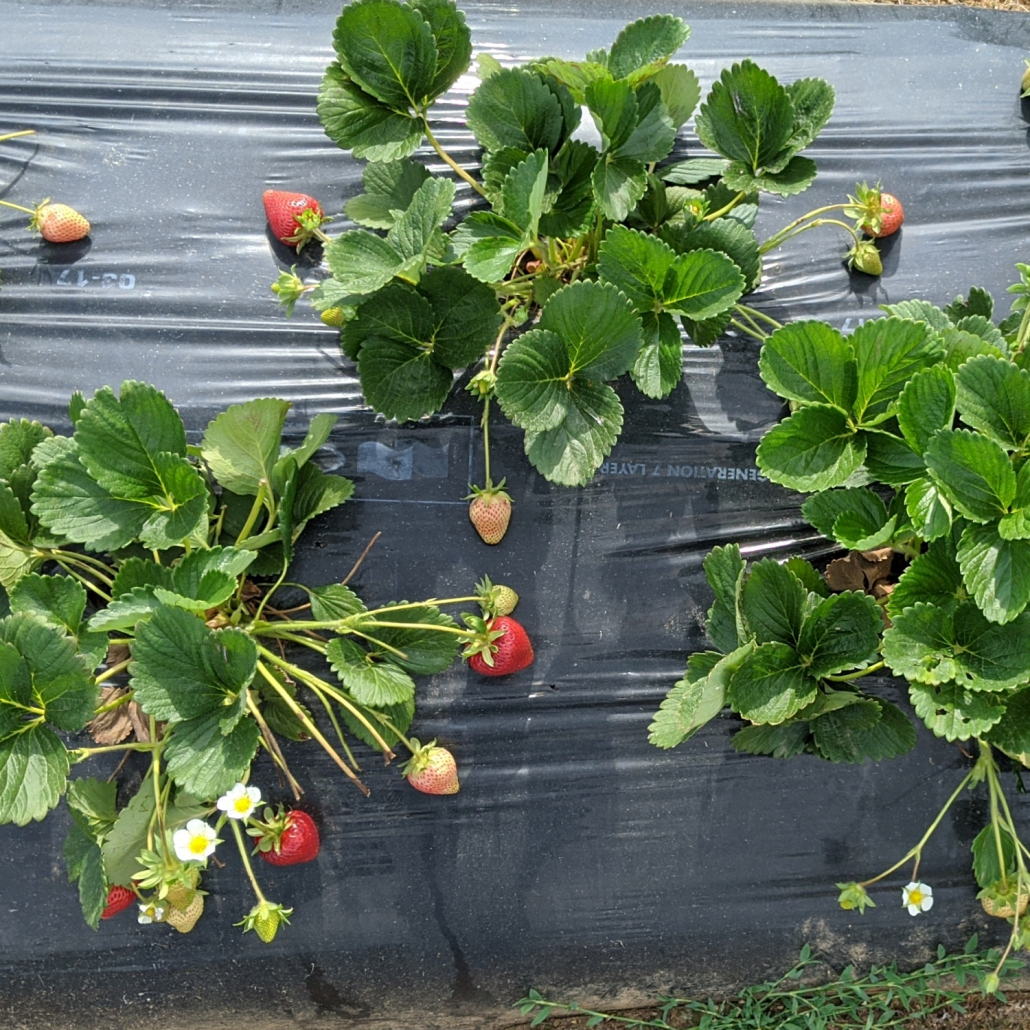
Tahli is well suited to commercial production across all temperate growing regions: Victoria, Tasmania, South Australia, South West WA, and the Granite Belt region of southern Queensland
| TOLERANT | MODERATELY TOLERANT | MODERATELY SUSCEPTIBLE | SUSCEPTIBLE | UNKNOWN | |
| Charcoal rot | 🍓 | ||||
| Colletotrichum crown rot | 🍓 | ||||
| Fusarium wilt | 🍓 | ||||
| Powdery mildew | 🍓 |
Radar chart comparing Tahli-ASBP (pink polygon) with a widely grown temperate commercial variety (red line). The centre of the plot represents the lowest value for each trait, and the outside line of the plot represents the highest value for that trait from our trials.

This variety has Protection under the Australian Plant Breeders’ Rights Act (PBR Act) and has been sub-licensed to Authorised Propagators for plug plant and runner production.
A Royalty Fee is included in the runner purchase price and the Commercial fruit producer will be required to sign a Non-Propagation agreement before accepting delivery of runners.
100% of the Royalty collected is passed back to the Intellectual Property owners (QDAF & Hort Innovation). QDAF’s share is reinvested back into the ASBP i.e. it pays staff salaries, and the Hort Innovation share is added to the Strawberry Fund where it is directed into strawberry industry R, D&E projects, as determined by the industry and Hort Innovation through the industry consultation mechanisms.
Australasian Plant Genetics is paid a small fee by Hort Innovation for managing the commercial arrangements relating to this variety.
The information contained herein is subject to change without notice. The Queensland Government, Hort Innovation, and Australasian Plant Genetics shall not be liable for technical or other errors or omissions contained herein. The reader/user accepts all risks and responsibility for losses, damages, costs and other consequences resulting directly or indirectly from using this information.
The development of this variety has been funded using the strawberry research levy and contributions from the Queensland Department of Agriculture and Fisheries and the Australian Government. Hort Innovation is the grower-owned, not-for-profit research and development corporation for Australian horticulture.
The information provided here and in the accompanying Fact Sheet was developed by Australasian Plant Genetics in conjunction with Jodi Neal, Katie O’Connor, and the wider team from the Queensland Department of Agriculture and Fisheries.
© State of Queensland Department of Agriculture and Fisheries, Australasian Plant Genetics and Hort Innovation, 2022.





 Susie-ASBP